About BROKIS
A synthesis of exquisite design, superior quality, and the skill of master artisans continuing the centuries-old Bohemian glassmaking tradition.
Quality of craft means quality of atmosphere
Originating more than 2,000 years ago with the skilled artisans of ancient Syria, traditional glassblowing remains one of the most versatile and revered techniques for creating exquisite glass objects in a vast array of shapes and colours.
Raw elements to radiant form
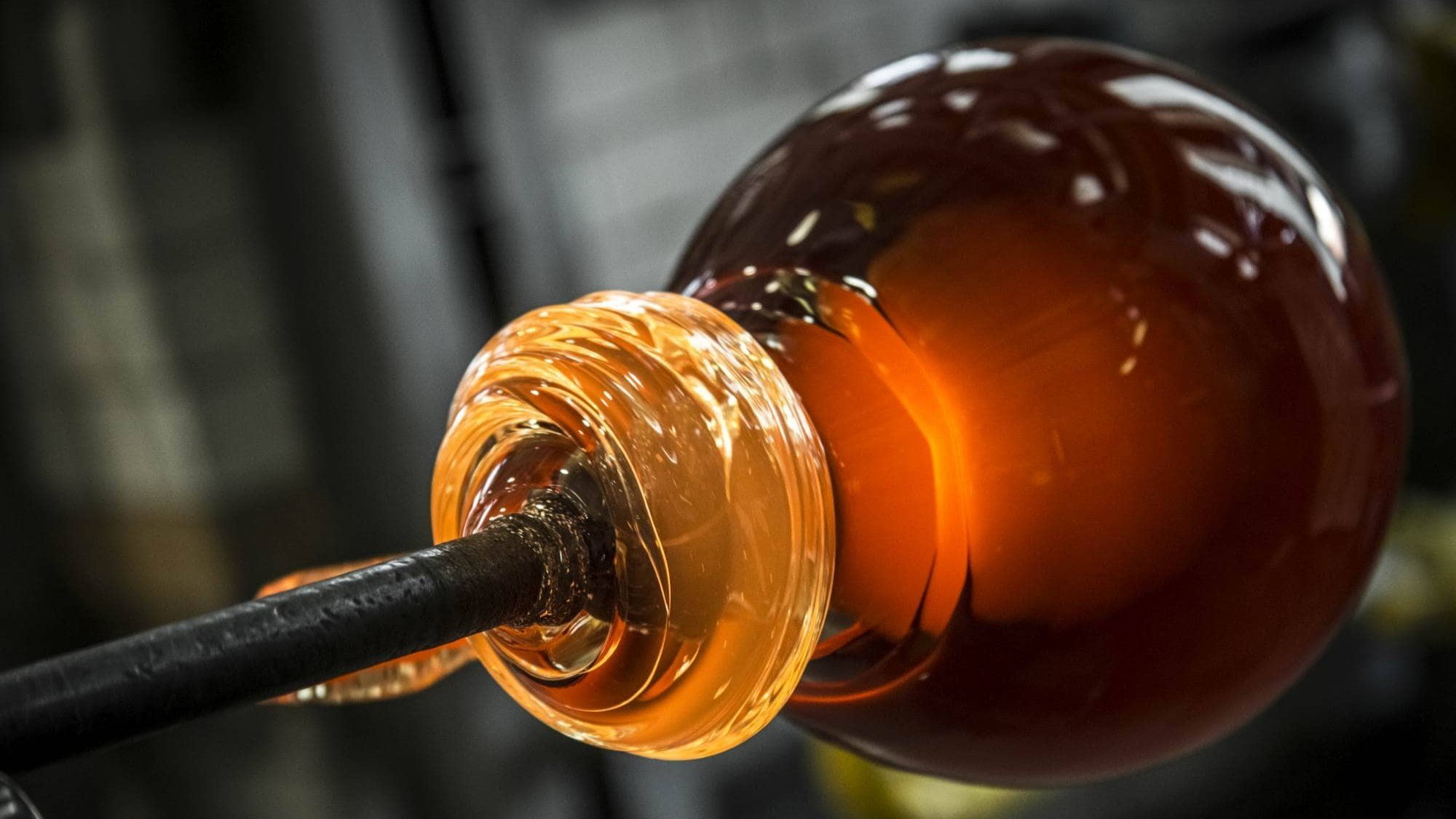
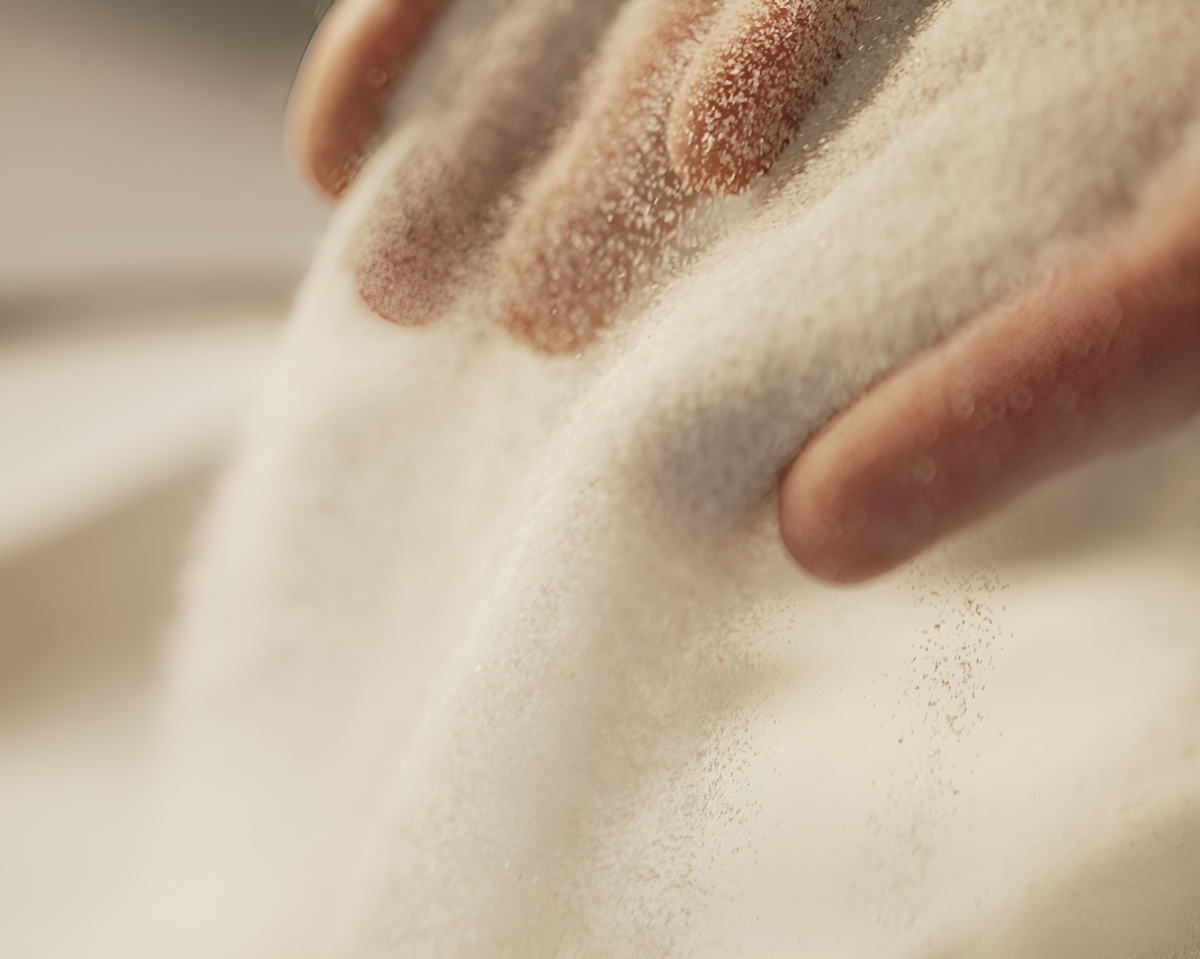
The process begins with the precise preparation of raw materials, combined into a fine powdered mixture known as a batch. Based on silica sand with admixtures of soda ash, limestone, and other ingredients, the exact formula is a closely guarded secret and varies according to the type of glass and the desired colours and properties. After being melted in a furnace at approximately 1,400°C for several hours, the batch reaches a molten state. The temperature is then reduced to 1,200°C to make the glass workable.
Where skill meets breath
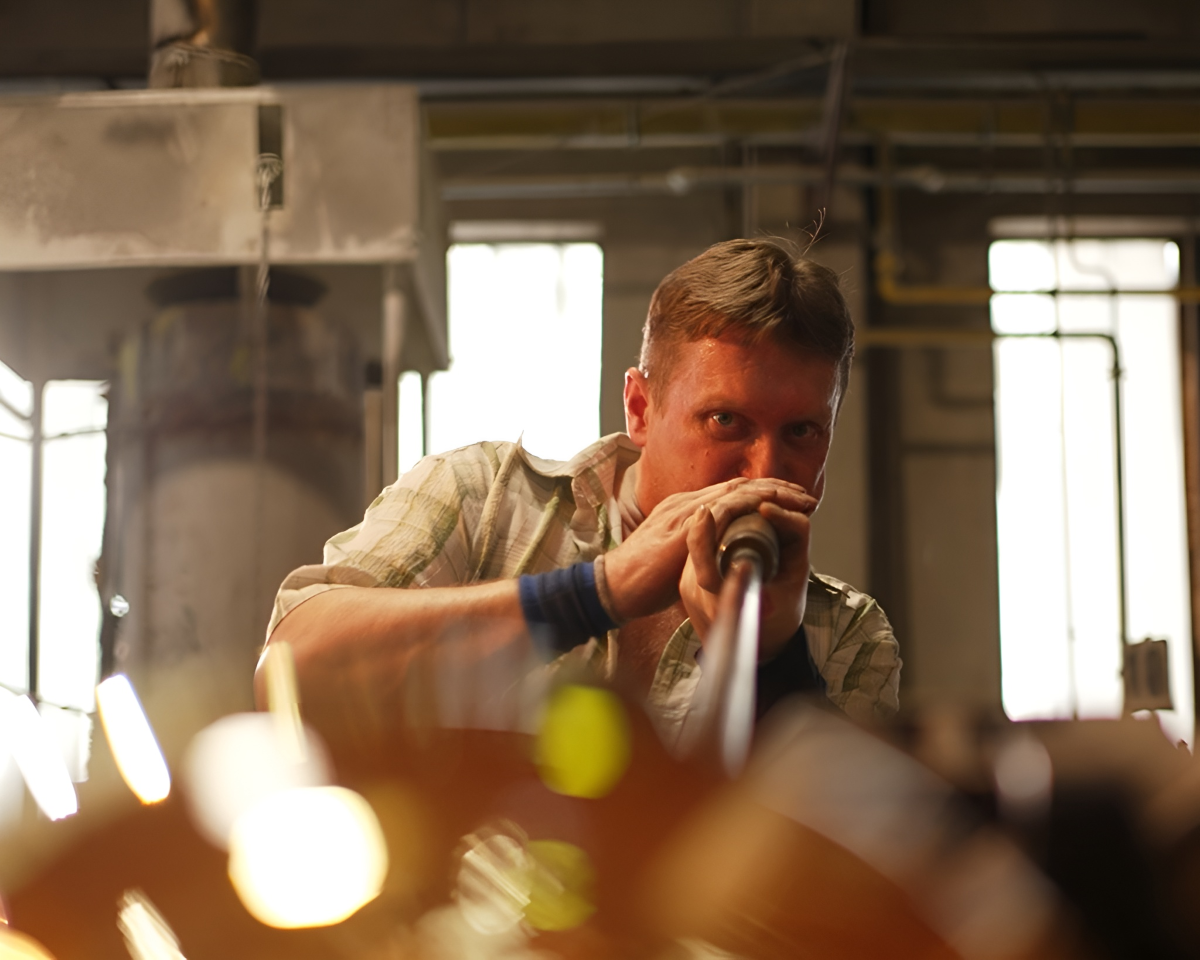
From here, the glassmaker collects a portion of the molten glass – a glowing, malleable mass known as a gather – onto the end of a blowpipe. At first, the glass is worked only by skilfully rotating the pipe. As additional layers are added, each drawn from a different furnace, the glassmaker begins to blow into the pipe as well, inflating the gather into a soc-called parison. Depending on the size and colour of the final product, this process may be repeated up to three times, with crystal always forming the first and last layers.

Forged by many - perfected by time
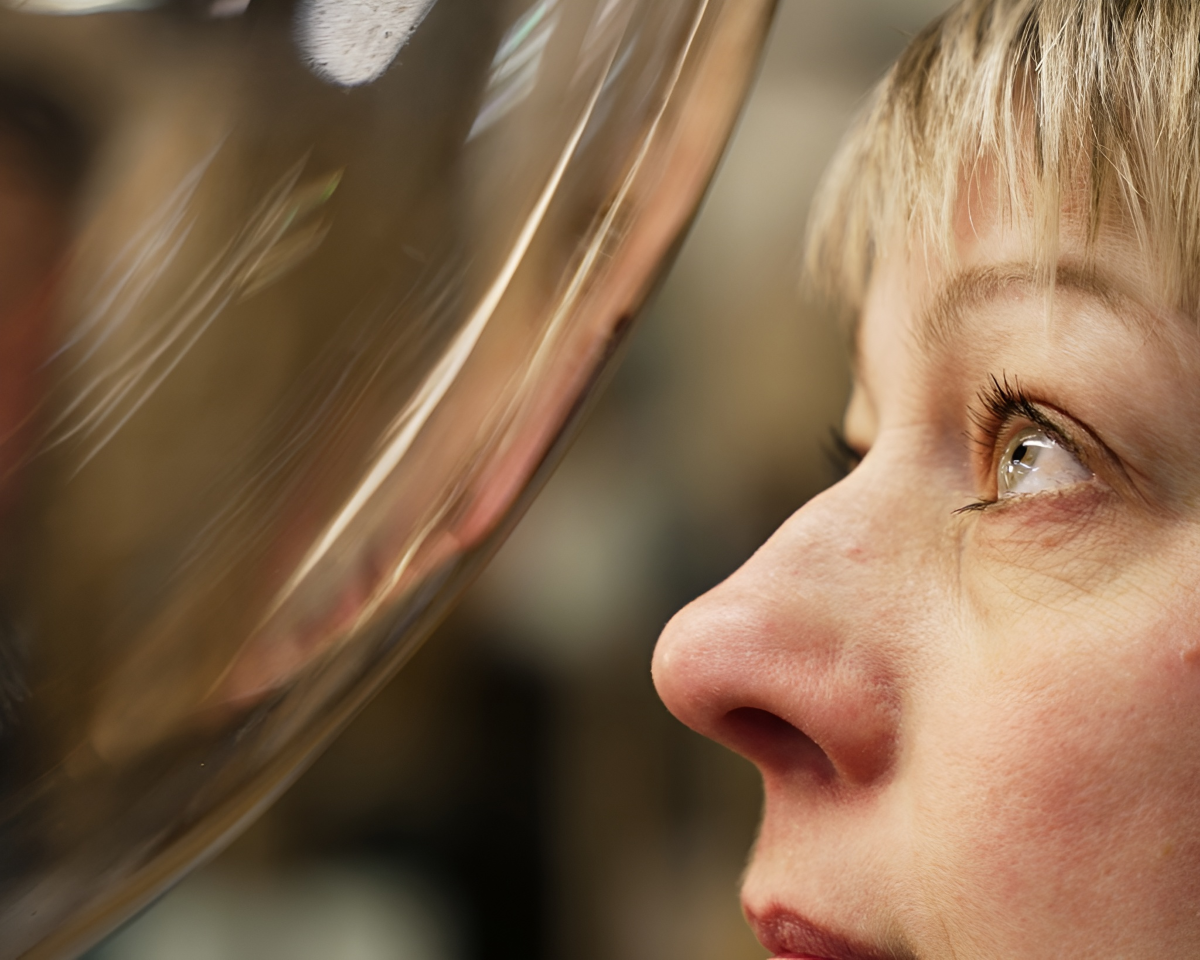
The creation of a single BROKIS light requires three to five artisans – two gathers, two blowers, and a tender – who collaborate as an independent production team known as a shop. Once the softened glass is ready, it is placed in a mould and blown into shape. After forming, the piece is knocked off the blowpipe and placed in an annealing furnace for controlled cooling, a crucial step that slowly releases residual internal stresses and gives the glass strength and stability.
Built to last generations
Finally, the cooled glass undergoes meticulous finishing stages, including cutting, grinding, polishing, washing, and matting, each requiring exceptional craftsmanship. Only then is the final assembly completed according to project specifications. By adhering to these traditional techniques, BROKIS ensures its production remains future-proof, allowing glassmakers to craft precise replacement parts years – or even decades – after the original installation.
 No products in the quote.